






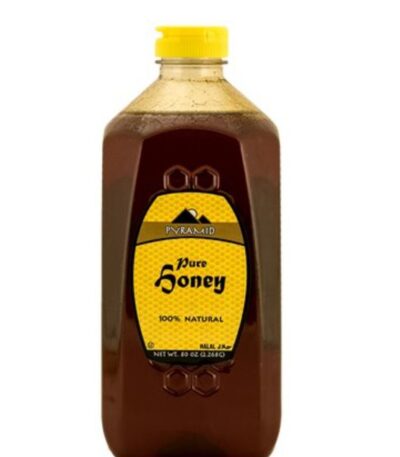
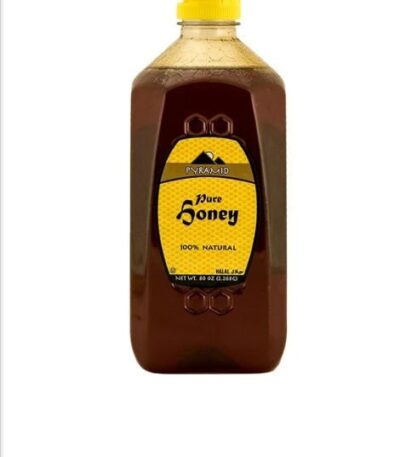
PYRAMID Honey 5lb plastic bottle
Original price was: $49.99.$29.99Current price is: $29.99.The first recorded evidence of honey production dates back some 8,000 years to a cave painting in Valencia, Spain. From early antiquity, honey was not only the world’s sweetener of choice. It was also used in Ayurvedic medicine and was a symbol of fertility and good fortune in family and religious rituals. Turkey is the second largest producer of honey in the world – reputed to make some of the purest and most delicious honey. The reason: all of its bees come from the Caucasus Mountains. At Pyramid, we work with some of the best beekeepers in Turkey to create a delicious, high-quality and all-natural honey. A healthier alternative to refined sugar, Pyramid Honey has naturally occurring antioxidants. Enjoy it with tea and in your baking preparations. Drizzle over with Greek Yogurt with your favorite fruits and toasted slivered almonds. Or enjoy it with cheese and figs.
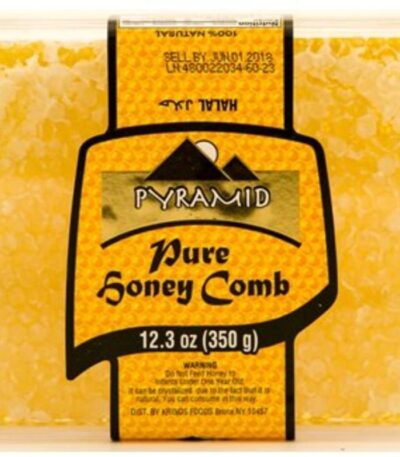
Pyramid Honey comb 350g
Original price was: $16.99.$9.99Current price is: $9.99.Honey has been used as a traditional medicine and sweetener since early antiquity. The first recorded evidence of honey production dates back some 8,000 years ago to a cave painting in Valencia, Spain. The second largest producer of honey worldwide, Turkey is reputed for making some of purest and most delicious honey across the globe. The reason: all of its bees come from the Caucasus Mountains. While all excellent honey is 100% natural, one can’t get “more natural” than eating honey in a honeycomb. Pyramid Honey works with select beekeepers in Turkey, choosing only the best honeycombs for your consumption. Our comb honey is the rawest and purest honey available – full of polyphenols, natural antibiotics thought to reduce the risk of heart disease and cancer. Because combs are where honey bees raise their young and store pollen along with honey, the combs themselves have additional nutritional and enzyme benefits. The easiest way to enjoy our honey comb: cut it into small pieces and chew. For an elegant accompaniment to tea, cut the comb into pretty pieces and serve.
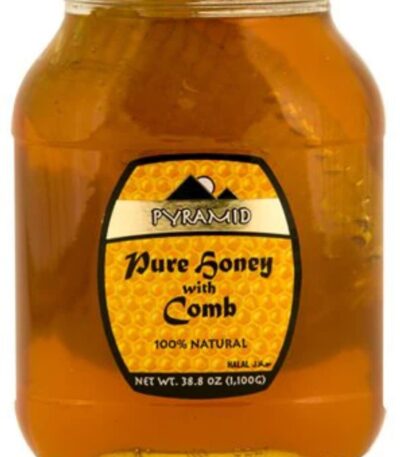
Pyramid honey w/comb 2lb 907g
Original price was: $19.99.$14.99Current price is: $14.99.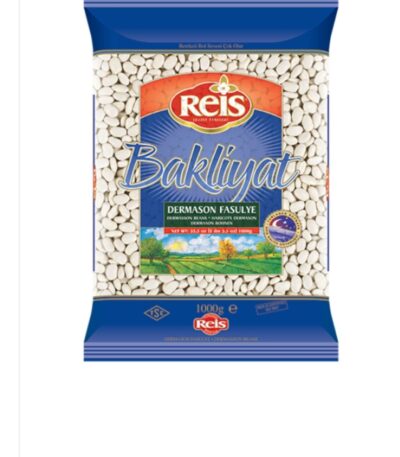
REIS Dermason White Beans 1kg
$11.99White kidney bean is a kind of Turkish bean whose grain color is white and whose grain shape is kidney. This type of bean is mid-sized with a caliber of 8 mm and is grown in Karaman and Konya provinces of Turkey which are famous for the superior flavor of a bean. Another difference of this region’s bean is that they do not release shells when cooked. White kidney bean is the most common type of bean that is consumed in Turkey.
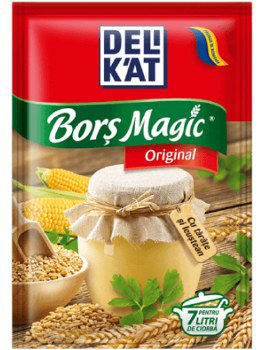
Romanian DeliKat Bors Magic Cu Tarate With Bran Original Borsch Soup Condiment 20g
Original price was: $2.99.$2.49Current price is: $2.49.Ingredients: acidifier (citric acid, lactic acid), corn starch, acidity regulator (calcium lactate), salt, celery seeds, leustean root (1.8%), wheat bran (1.1%), palm vegetable fat, locust leaves (0.3%), corn flour (0.1%), natural locust flavo
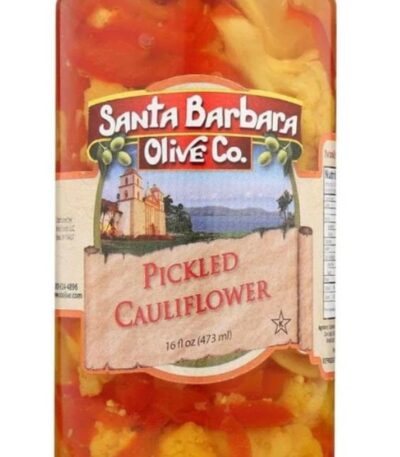
SANTA BARBARA SWEET PICKLED CAULIFLOWER 473ML
Original price was: $7.99.$5.99Current price is: $5.99.Santa Barbara Olive Co. can satisfy your craving. Let these exotic flavors be the star of your next cocktail party, salad, martini, pasta dish or snack! Straight from the jar or as an ingredient, these original creations are sure to be a crowd pleaser.
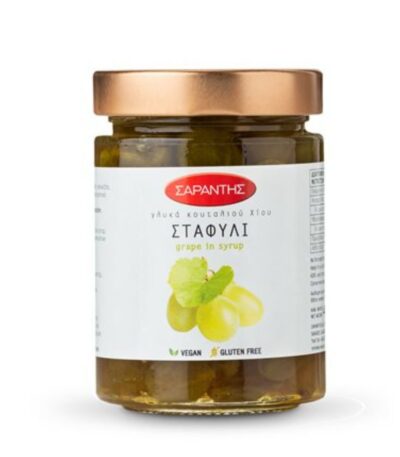
SARADIS Grape Jam 1lb (453g) jar
Original price was: $9.99.$5.99Current price is: $5.99.These unique sweets have been a mainstay of Greek, Turkish, Balkan and Russian culture for centuries – offered to visiting guests as a sign of warmth and hospitality. Traditionally served in a generous teaspoon, spoon sweets are meant to be savored between sips of water, and sometimes coffee. Or to be enjoyed as an elegant centerpiece on a small dish of Greek yogurt. Saradis, has been making spoon sweets on the beautiful Greek Island of Chios since 1928. Our Grape Sweets feature plump hand-picked grapes suspended in a thick, naturally grape-flavored sugar syrup. Succulent and chewy, more like raisins after marinating, Saradis Grape Sweets are first meant to be enjoyed in a teaspoon. Less sweet, and with more authentic flavor than traditional jam or preserves, our luscious Grape Sweets are delicious with peanut or almond butter. Swirl them into a bowl of creamy tahini (sesame paste) and dip pieces of crusty bread or toast into the mixture, for a healthier version of a PB&J! Serve a spoonful of our grape sweets with your morning oatmeal or porridge. Or use them in a glaze for roasted chicken or ham. You will find spoon sweets (Glyka tou Koutaliou, in Greek) in almost every household in Greece.
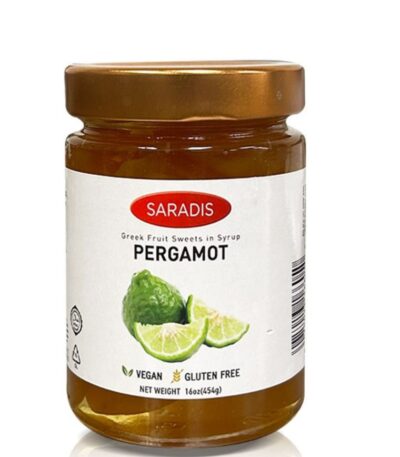
Saradis Greek Bergamot Jam 16 OZ
Original price was: $10.99.$5.99Current price is: $5.99.A mainstay of Greek, Turkish, Balkan and Russian culture for centuries, spoon sweets are traditionally offered to visitors as a sign of hospitality: served in a generous teaspoon with a glass of water, and sometimes coffee. Or presented as an elegant spoonful in center of small dish of Greek yogurt. Saradis has been making spoon sweets on the beautiful Greek Island of Chios since 1928. Our Pergamot Peel Sweets feature large peels of ripe, hand-picked pergamots (“bergamots” in English) suspended in a delectable syrup. Thought to be a hybrid of lemon and a bitter orange, these fragrant peels are also used to flavor Earl Grey Tea. More syrupy than classic marmalade, Saradis Bergamot Peel Sweets are chewy and juicy – the “perfect bite” in a teaspoon. Chewy, firm and not too sweet (despite the name!) our Pergamot Peel Sweets are wonderful chilled, right out of the jar. Slice the peels and serve with their syrup on French toast, pancakes or waffles, with a dollop of Greek yogurt, mascarpone or whipped ricotta, for a delightful citrusy spin on a brunch classic. A wonderful accompaniment to scones, biscuits and cornbread, the peels can also be sliced and served with their syrup as a condiment with a cheese and salami Meze platter. They are also delicious over ice cream or tangy frozen yogurt
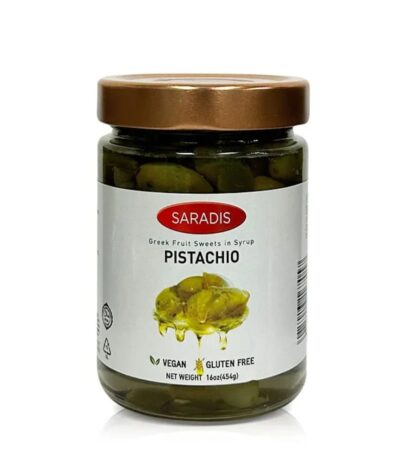
Saradis Greek Pistachio Jam 16 OZ
Original price was: $10.99.$7.99Current price is: $7.99.Visit any Greek household and there’s an excellent chance you will be greeted with “spoon sweets” – delectable nuts, fruit or citrus peels preserved in luscious sugar syrup – and served in a generous teaspoon with a glass of water, or coffee. For centuries, spoon sweets have been inextricably linked to Greek, Turkish, Balkan and Russian tradition and culture – offered to family and friends as a gesture of warmth and hospitality. Saradis has been making spoon sweets on the beautiful Greek Island of Chios since 1928. Saranatis Pistachio Sweets feature hand-picked pistachios in their shells, immersed in a rich and flavorful sugar syrup. Served chilled, in the traditional way, our Pistachio Sweets are heaven on a teaspoon! Succulent and chewy, our Pistachio Sweets are delicious with Greek yogurt – and sheer perfection with vanilla ice cream or tangy plain frozen yogurt. Use Saradis Pistachio Sweets to add sweet pistachio goodness to cheesecakes and tarts. Serve as a topping on rice pudding – and you may have a new dessert favorite! You will find spoon sweets (Glyka tou Koutaliou, in Greek) in almost every household in Greece. One teaspoon of Saradis Pistachio Sweets will satisfy any sweet craving.
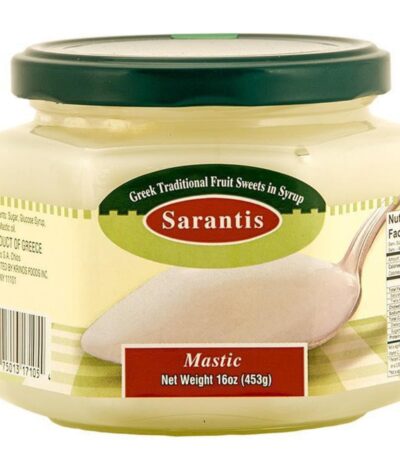
SARADIS Mastic Sweets 1lb (453g) jar
Original price was: $9.99.$4.99Current price is: $4.99.It doesn’t get more authentic than this! If you grew up in Greece, Mastiha, the tear-shaped resin drops of the Mastic Tree, will remind you of home. Mastiha has been a classic culinary ingredient since ancient Greece used to flavor baked goods, ice cream and the traditional Greek liqueur with the same name. The Greek island of Chios has been dedicated to the cultivation and production of Mastiha (mastic gum) since the Byzantine era, with a Protected Designation of Origin (PDO) accorded by the European Union. Saradis has been making “spoon sweets” in Chios since 1928. Traditionally offered as a gesture of warmth and hospitality, the custom in virtually every Greek household is to serve a generous teaspoon of “spoon sweets,” with a glass of water or coffee, to visiting guests. Saradis Mastiha Sweets are made with sugar, mastic oil and water. With a thick and creamy fondant-like texture, our Mastiha Sweets have a unique anise flavor, with hints of vanilla and pine. Also known as a “submarine,” these sweets best enjoyed in the classic way: licked on a teaspoon, like a lollipop, between sips of water. Leave the spoon in your glass between sips, and the water will retain its wonderful mastic gum flavor!
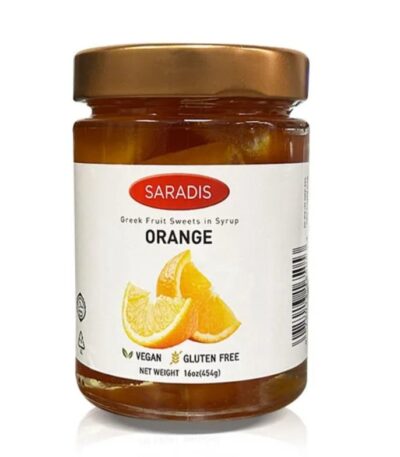
SARADIS Orange Jam 1lb (453g) jar
Original price was: $10.99.$5.99Current price is: $5.99.Spoon sweets – citrus peels, whole fruits, nuts, vanilla or mastic gum in sugary syrup – have had a special place in Greek, Turkish, Balkan and Russian culture since the Ottoman Era. Offered to visitors as a sign of welcome and hospitality, spoon sweets are traditionally served in a teaspoon with a glass of water or coffee. Or presented as an elegant spoonful in center of small dish of Greek yogurt. Saradis has been making spoon sweets on the beautiful Greek Island of Chios since 1928. Our Orange Sweets feature large peels of ripe, hand-picked oranges suspended in delectable syrup. Chewy, juicy and not too sweet (despite the name!) our Orange Sweets are the “perfect bite” on a teaspoon. Rich in flavor and less dense than classic marmalades, they are delicious with scones, biscuits and cornbread. If you cut the orange peels into small pieces and serve with their syrup, the culinary applications of Saradis Orange Sweets will become more manifest! For a delightful citrusy spin on a brunch classic, serve them on French toast, pancakes or waffles with a dollop of Greek yogurt, mascarpone or whipped ricotta. For an elegant, citrus-forward baked brie, spread our Orange Sweets in the center of the cheese before baking. Use as a sauce for Crêpes Suzette sauce – or as a succulent orange glaze on roasted ham or duck – and your family and friends will thank you! You will find spoon sweets (Glyka tou Koutaliou, in Greek) in almost every household in Greece.
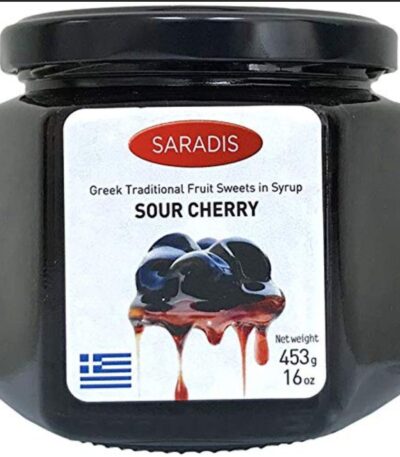
Saradis Sour Cherry 450gr
Original price was: $9.00.$6.99Current price is: $6.99.Saradis Sour Cherry Preserve (or Sweet) is a traditional Greek delicacy from Chios, featuring whole sour cherries in a rich, tart syrup, often called a “spoon sweet” (glyko tou koutaliou). Made with sour cherries, sugar, and corn syrup, it’s enjoyed as a dessert with coffee, spooned over yogurt/ice cream, or used in baking for a burst of tangy flavor, with the brand emphasizing its artisanal quality and authentic Greek taste


